HARDWOOD FLOORING GUIDE | MADISON AREA

Hardwood Flooring Choices & Differences

Every wood species, color, and finish has its own look, feel, and performance. Explore your options so you can choose hardwood floors that suit your home and lifestyle—with guidance from Imperial Wood Floors.

Explore the Most Popular Hardwood Species

Each solid hardwood species has its own grain, natural color variation, and practical characteristics. Select a tree below to discover the hardwood it produces and compare what may work best in your home.

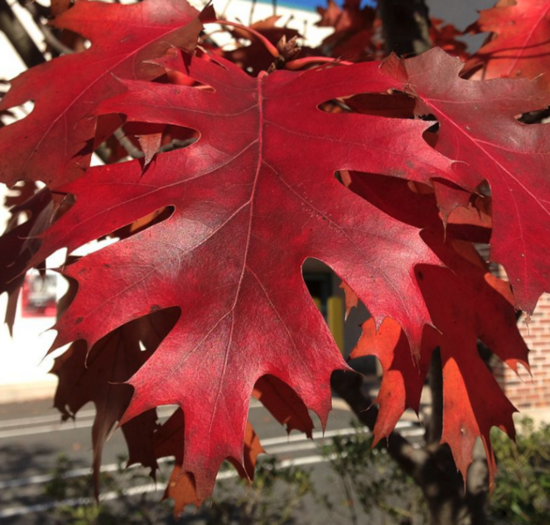
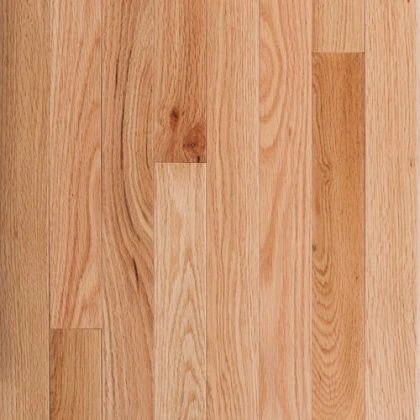
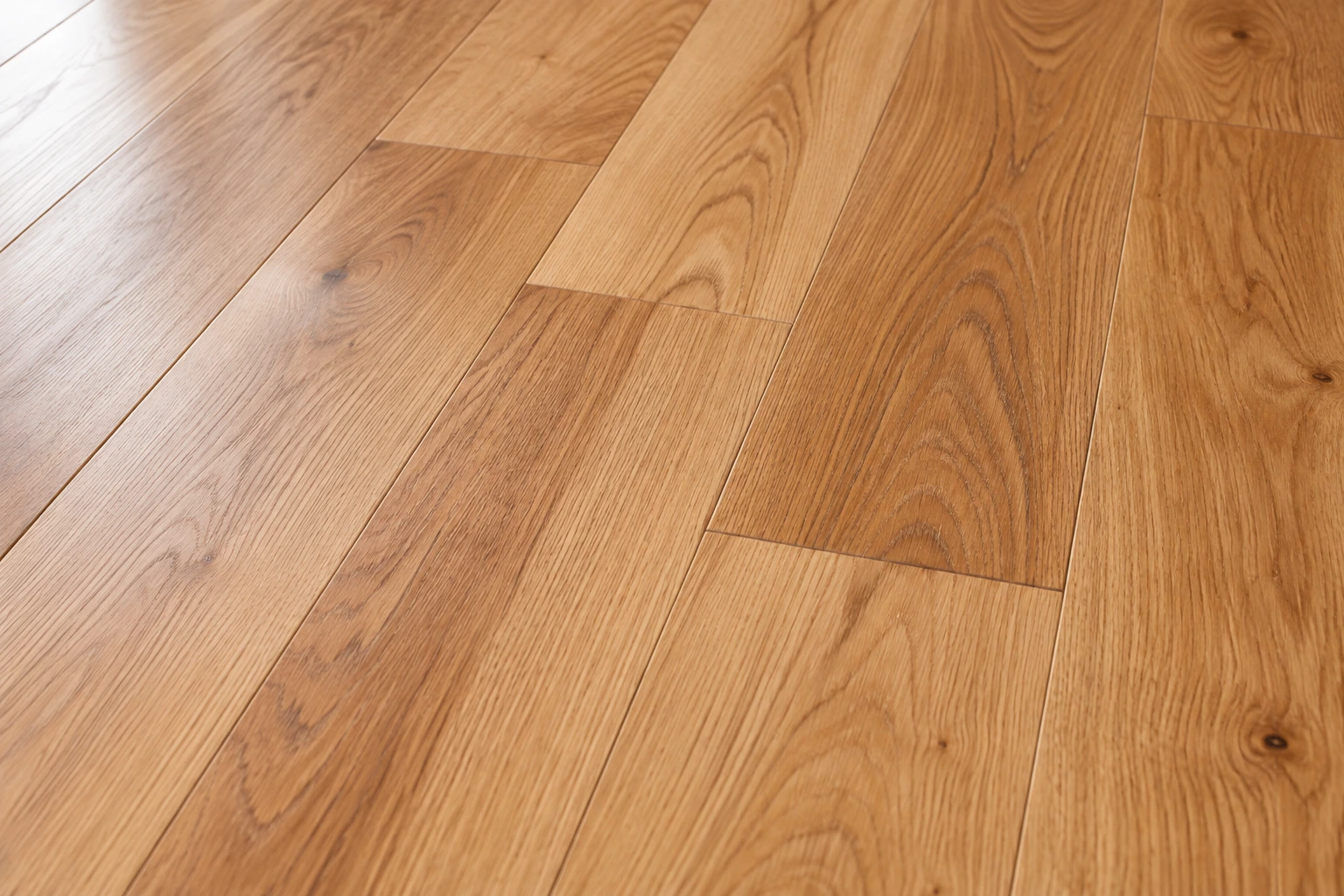
Red Oak

Prominent open grain and warm, sometimes pinkish tones. A familiar choice in many traditional Madison homes; accepts a wide range of stains.

Prominent Grain

Bold, open grain with natural variation.

Warm Undertones

Stands up well to everyday use.

Many Stain Options

A popular choice for both traditional and transitional homes.

Edit Template

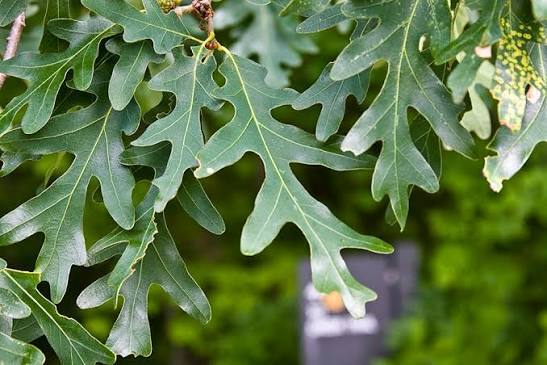
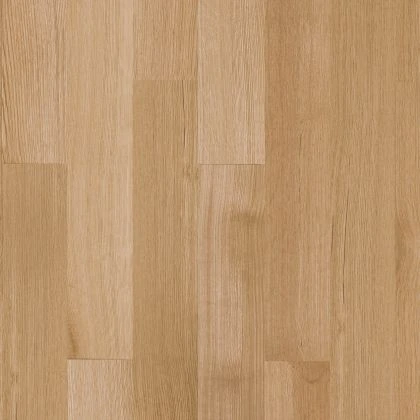
White Oak

Often subtler in color, with distinctive oak grain and versatile natural tones. Slightly harder than red oak on average.

Distinctive Oak Grain

Bold, open grain with natural variation.

Neutral Natural Tones

Stands up well to everyday use.

Slightly Harder than Red Oak

A popular choice for both traditional and transitional homes.

Edit Template

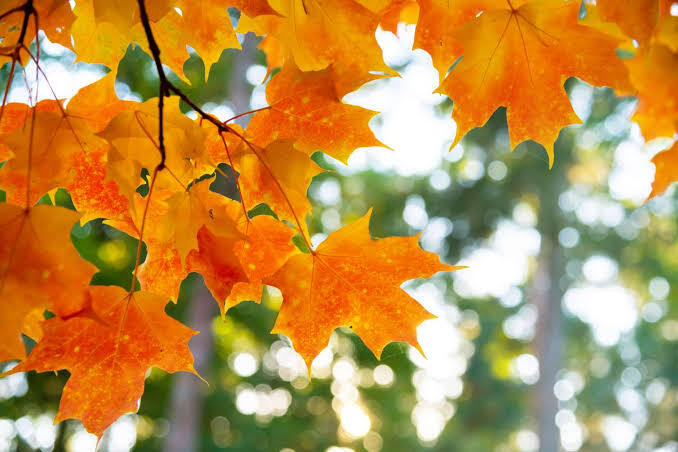
Maple

Fine, understated grain and a light natural appearance. Hard and durable, but darker stains can appear uneven without careful preparation.

Fine Grain

Bold, open grain with natural variation.

Light Natural Color

Stands up well to everyday use.

Careful Stain Preparation

A popular choice for both traditional and transitional homes.

Edit Template

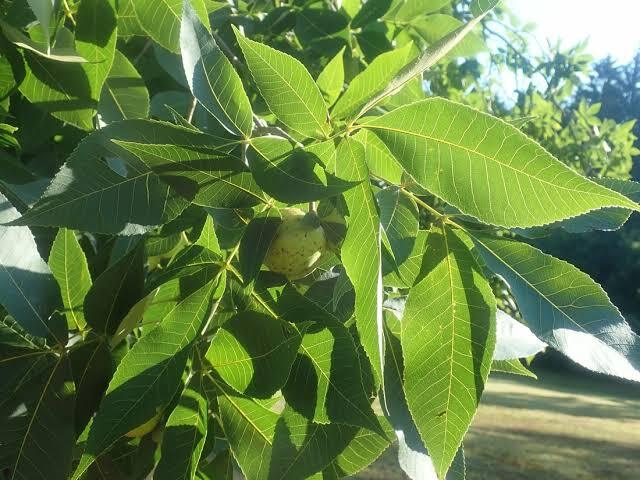
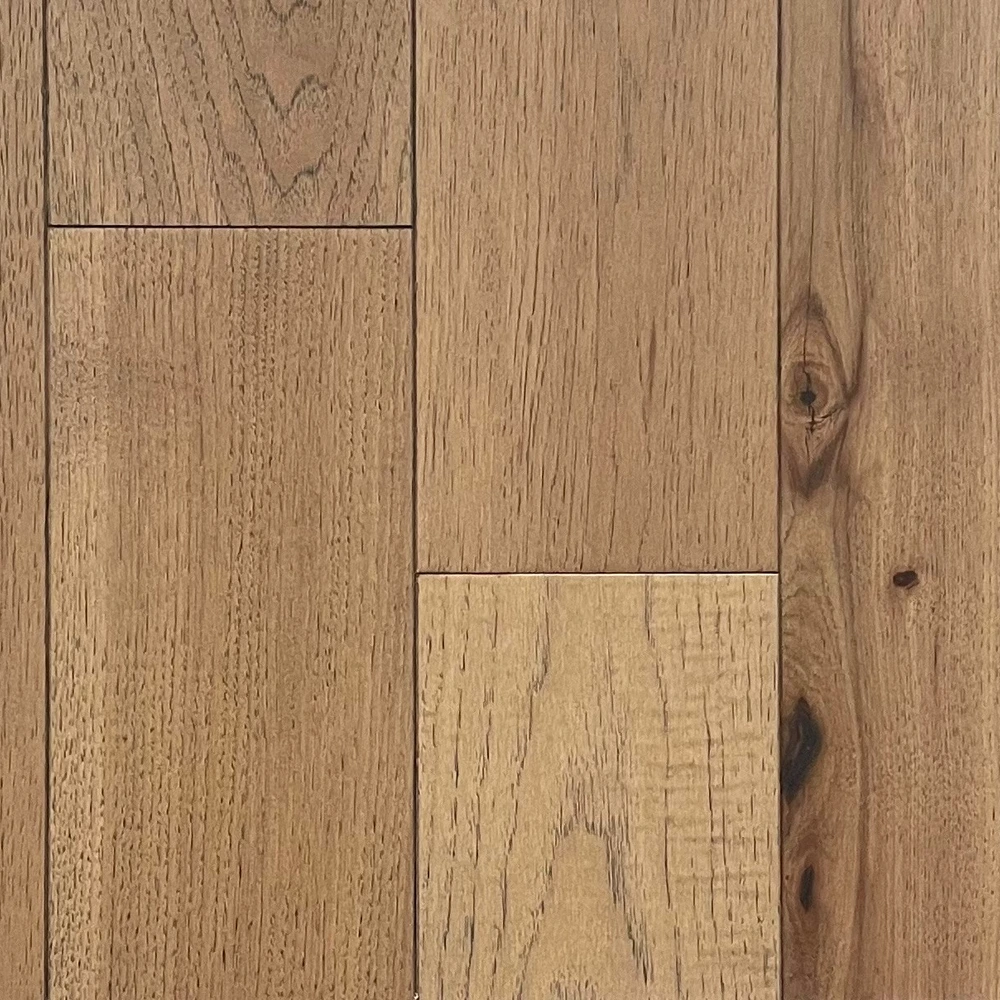
Hickory

Strong grain and pronounced board-to-board variation. One of the harder commonly used domestic hardwoods; ideal for those who enjoy natural character.

Strong Grain

Bold, open grain with natural variation.

Pronounced Board Variation

Stands up well to everyday use.

Hard Domestic Wood

A popular choice for both traditional and transitional homes.

Edit Template

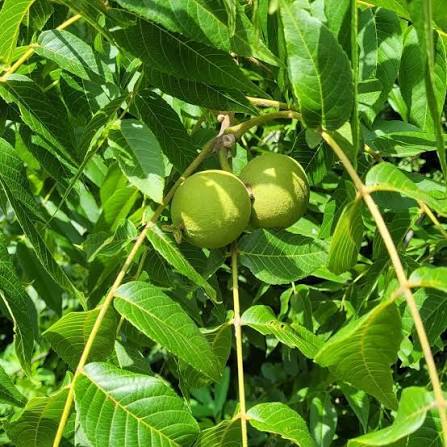
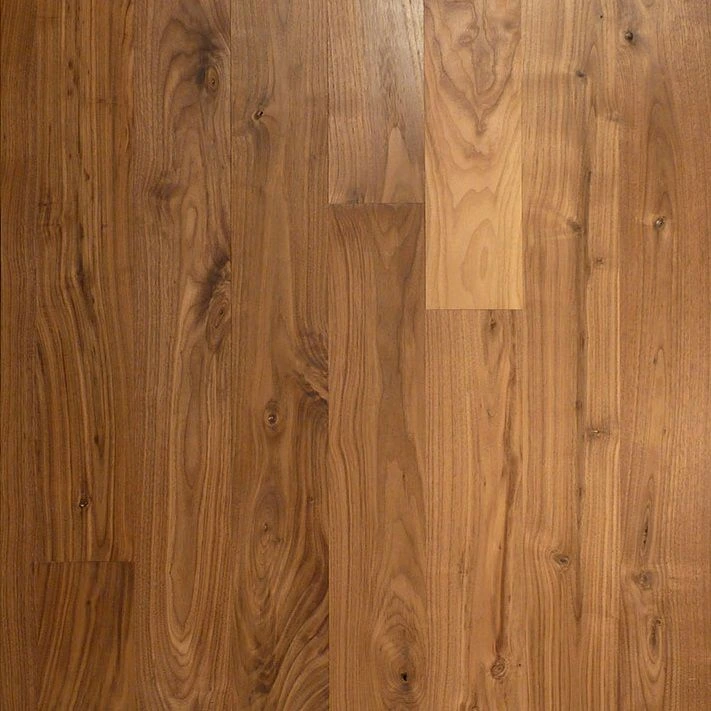
Walnut

Rich chocolate-brown tones and elegant grain. Softer than oak or hickory, so consider dents and household activity.

Rich Brown Tones

Bold, open grain with natural variation.

Elegant Grain

Stands up well to everyday use.

More Prone to Dents

A popular choice for both traditional and transitional homes.

Edit Template

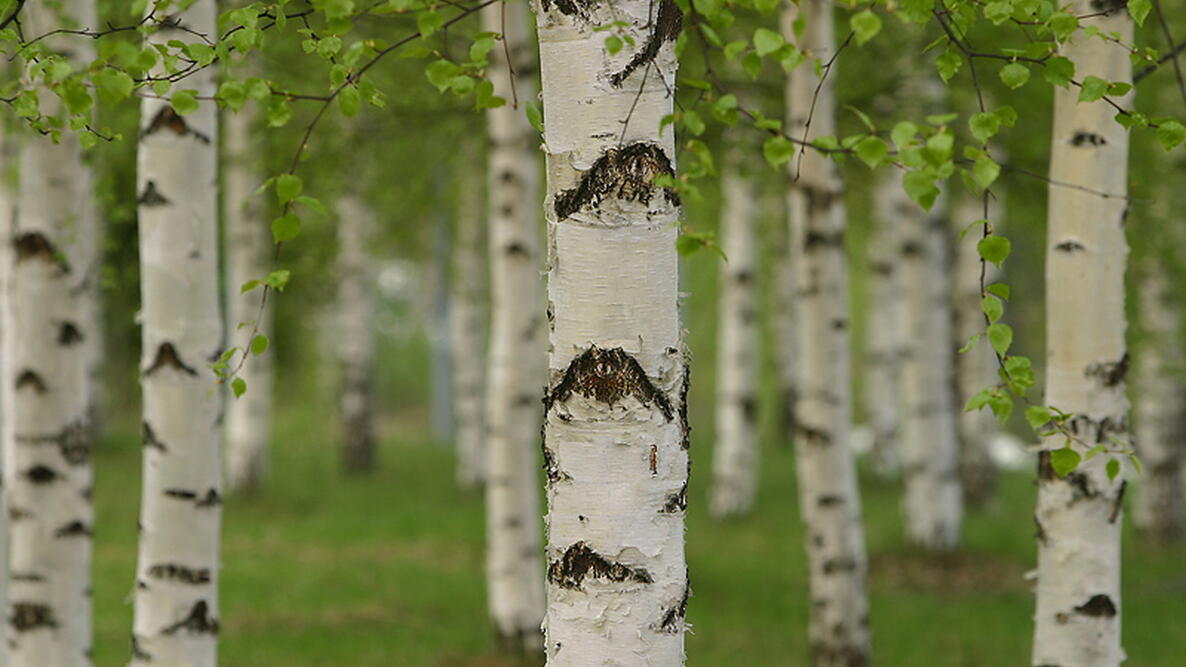
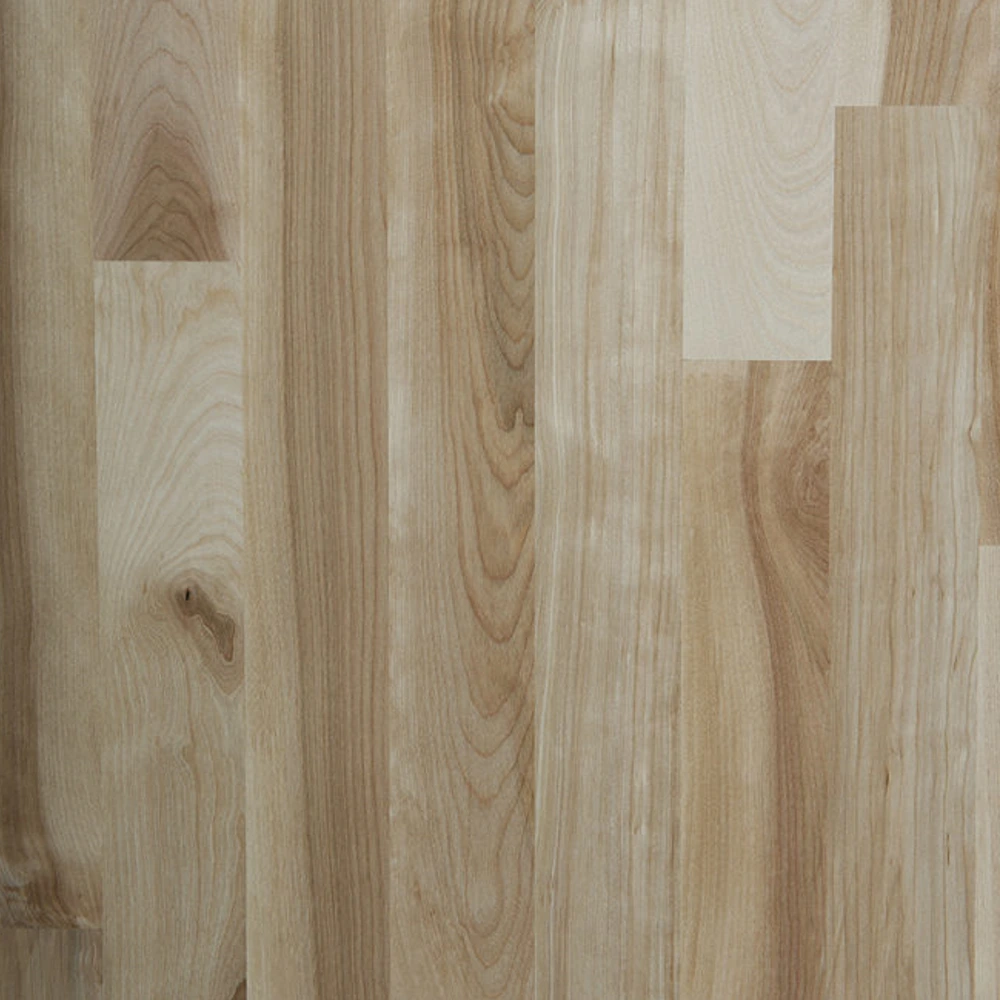
Birch

Light to warm tones with generally fine grain. Appearance and hardness depend on the particular birch species and grade.

Generally Fine Grain

Bold, open grain with natural variation.

Light-to-Warm Tones

Stands up well to everyday use.

Hardness Varies by Species

A popular choice for both traditional and transitional homes.

Edit Template

color, Stain & finish

Create the Look You Love

Natural wood color, stain, and protective finish all influence the appearance of your hardwood floors. Stain changes color; the finish protects the surface and determines how much light it reflects. Imperial Wood Floors uses professional low-odor, low-VOC water-based finishing systems, including Bona products, as appropriate for the project.

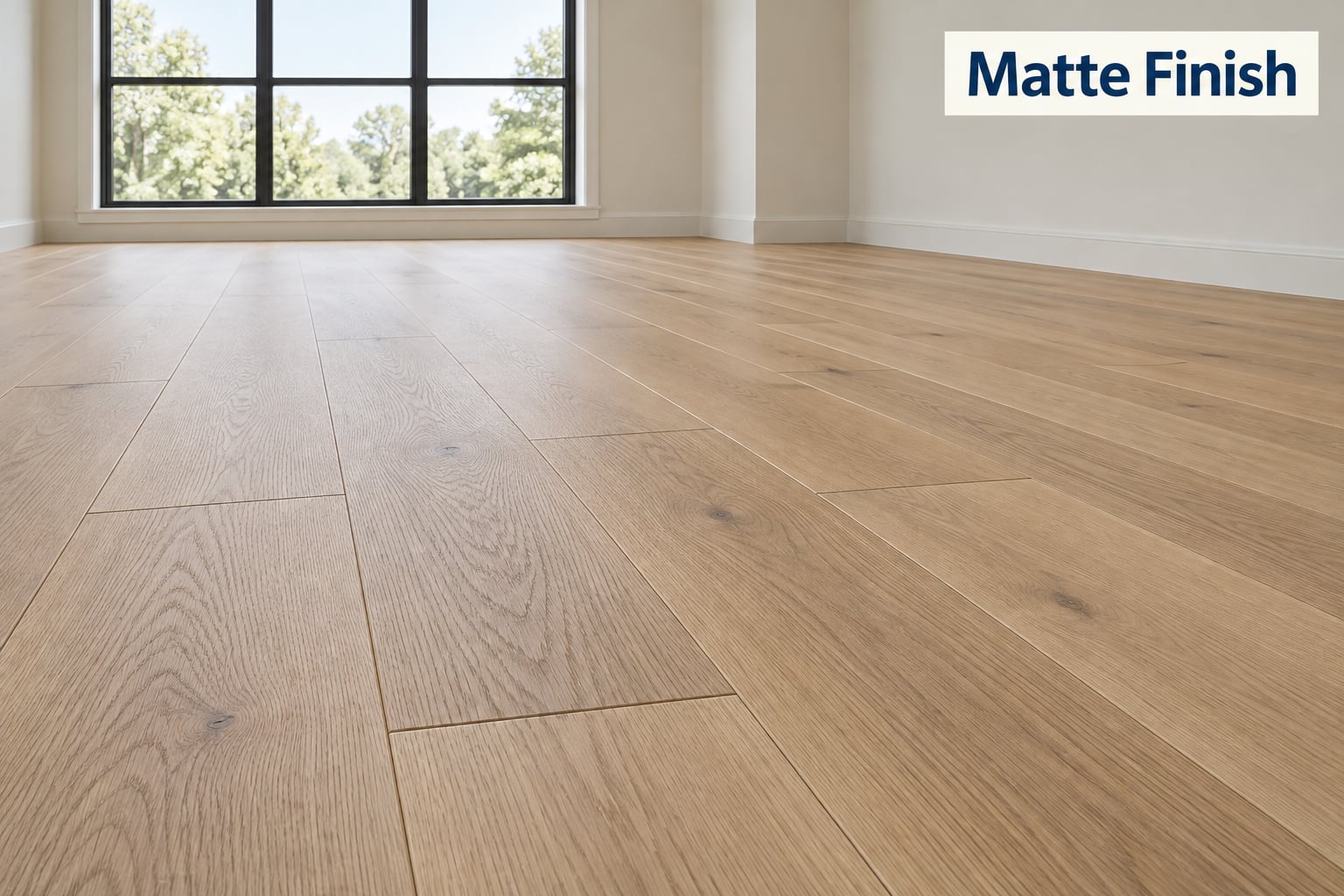
Matte Finish

Low reflection and a natural-looking surface; may make minor surface marks less noticeable.
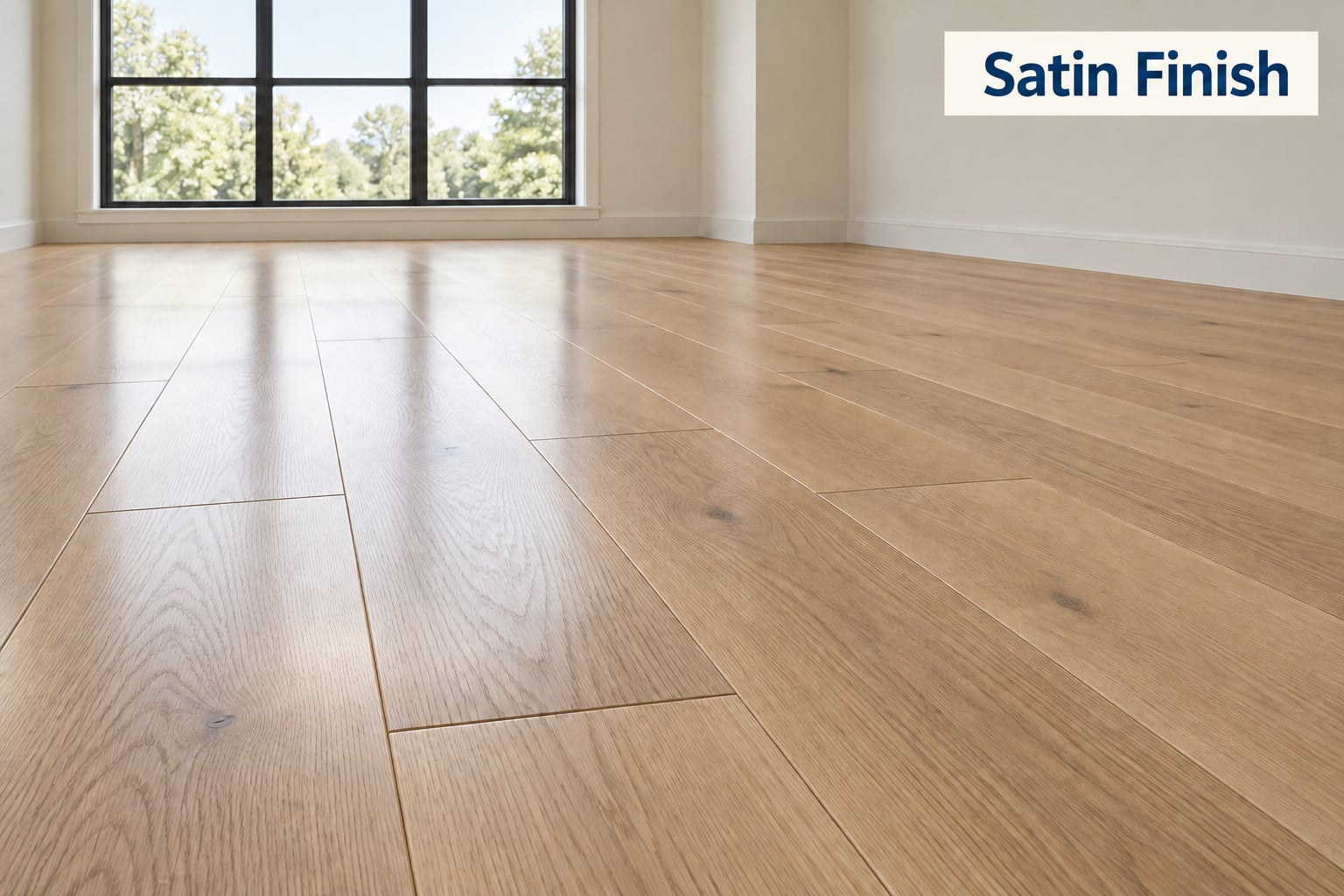
Satin Finish

Soft, balanced reflection that works in many homes.
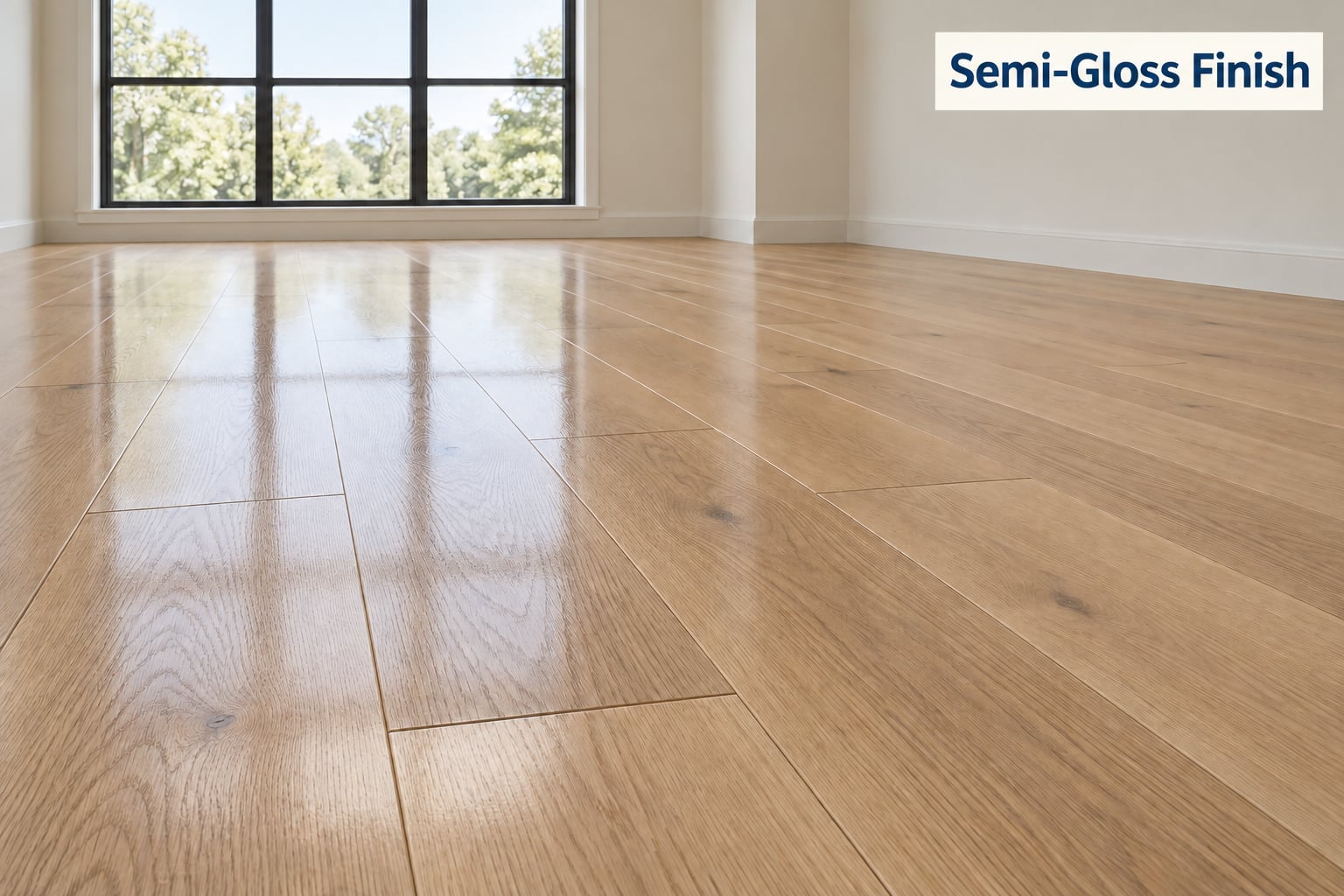
Semi-gloss Finish

More noticeable shine and light reflection; may emphasize dust and surface imperfections.
DURABILITY, BOARD WIDTH & SEASONAL MOVEMENT.

How Your Choices Affect Everyday Use

Hardness & everyday wear

Harder woods generally resist dents better, but no hardwood is scratch-proof. Pets, grit, furniture, finish selection, and care all matter.

Board width

Narrow strips can complement historic homes; wider boards create a more expansive look. Existing flooring, room proportions, and movement considerations affect the best choice.

Seasonal Movement

Hardwood naturally expands and contracts as indoor humidity changes. Dry Wisconsin winters may create small seasonal gaps; humid summers can cause boards to swell. Maintaining consistent indoor humidity helps limit that movement.

Blend Repairs with Your Existing Floors

Matching existing hardwood requires an understanding of species, board dimensions, grain, age, stain, and finish. Imperial Wood Floors can replace damaged boards and work to coordinate new wood with surrounding flooring. Because wood changes with age and light exposure, an exact invisible match cannot always be guaranteed.

Common Questions About Hardwood Choices.

Compare wood species, board widths, colors and finishes.
It depends on your preferred grain and color, traffic, pets, and whether you are matching existing floors. Red oak, white oak, maple, hickory, walnut, and birch each offer different characteristics. Imperial Wood Floors can help you compare the options.
Start with the natural color of the species, then consider stain and sheen separately. Matte reflects the least light, satin offers a softer glow, and semi-gloss creates more shine. View samples in your home’s lighting.
Durability depends on the finish system, proper application, maintenance, and household use—not sheen alone. A professional water-based finish can provide strong everyday protection; no finish prevents every scratch.
Traditional narrow strips suit many older Madison homes, while wider boards can create a more open look. Existing flooring, room proportions, subfloor conditions, and seasonal movement also matter.
Hardwood responds to changes in humidity. Dry winter air can create seasonal gaps; summer humidity can cause expansion. Consistent indoor conditions and professional installation help reduce problems.
Imperial Wood Floors can evaluate the species, dimensions, grain, stain, and condition of existing flooring and work to blend repairs or additions. Some differences may remain because wood ages and changes color over time.

Let’s Bring Out the Beauty in Your Home

Tell us more about your project, and we’ll help you choose hardwood flooring options that fit your home.